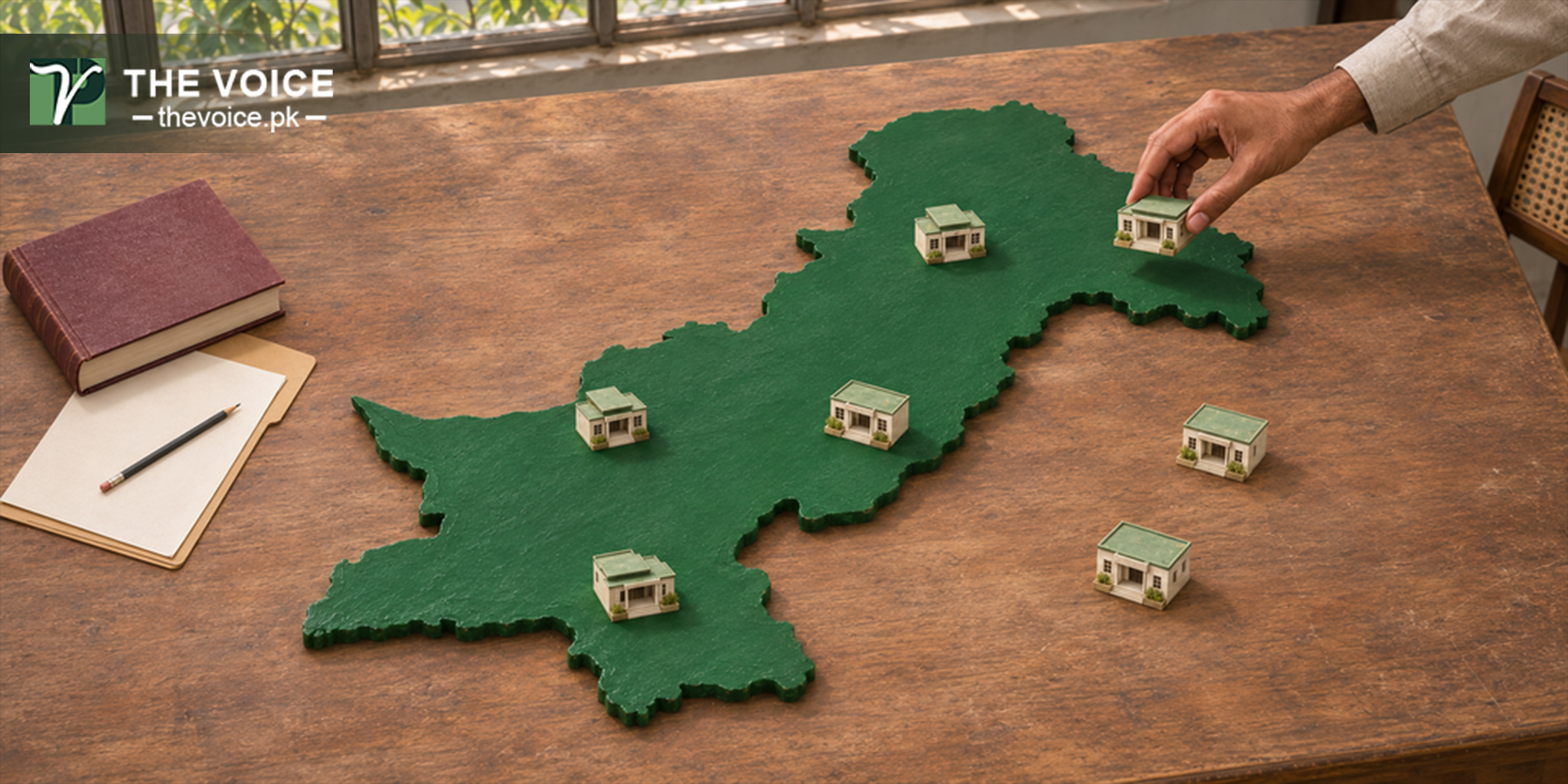
Defence Minister Khawaja Asif has backed the possibility of dividing Pakistan into 12 provinces on administrative grounds. However, conflicting government statements, constitutional challenges, and concerns over provincial identity make the proposal a major political test.
Why Is Pakistan Considering More Provinces?
Pakistan’s debate over creating new provinces has gained momentum after Defence Minister Khawaja Asif said the country could have as many as 12 administrative units. Speaking in Sialkot on November 8, he argued that smaller provinces could improve governance and bring government services closer to ordinary citizens.
According to a proposal reported in November, Punjab could be divided into four provinces, Khyber Pakhtunkhwa and Balochistan into three each, and Sindh into two. This would increase Pakistan’s existing four provinces to 12.
The idea is based on growing population, unequal development and the concentration of administrative and financial powers in provincial capitals. Residents of distant districts often have to travel considerable distances to access government offices, healthcare facilities and other public services.
However, the proposal remains under consideration. Minister for Planning Ahsan Iqbal said on October 30 that the government was not preparing a 28th Constitutional Amendment to create new provinces. Instead, he emphasised strengthening local governments.
The Politics and Constitutional Challenges
The debate is not entirely new. Demands for separate Saraiki, Hazara and southern Punjab provinces have existed for years. Karachi and other urban areas of Sindh have also seen repeated demands for greater administrative autonomy.
However, drawing new boundaries can raise questions about language, ethnicity, political representation, resources and provincial identity. Khawaja Asif has therefore stressed that any restructuring should be based on administrative requirements rather than ethnic or political interests.
Under Article 239 of Pakistan’s Constitution, a constitutional amendment requires a two-thirds majority in both houses of Parliament. If provincial boundaries are changed, the affected provincial assembly must also approve the amendment with a two-thirds majority.
A nationwide referendum has also been suggested before a possible constitutional amendment. Reports indicate that preliminary preparations could begin in early 2027, but no final boundaries or implementation schedule have been approved.
Will New Provinces Actually Improve Pakistan?
Smaller provinces could help distribute development funds, improve administration and reduce pressure on major cities. They could also make it easier to monitor public services and address problems specific to different regions.
However, creating additional governments would require new assemblies, secretariats, administrative departments, infrastructure and public expenditure. Without proper financial planning, restructuring could increase costs without improving services.
An alternative is to strengthen local governments. Article 140A already requires provinces to establish elected local government systems and transfer political, administrative and financial authority to them.
Pakistan’s real challenge is not simply the number of provinces but the concentration of power. Whether the country chooses new provinces or stronger local governments, meaningful reform must ensure that public money, decision-making and essential services reach citizens rather than remain concentrated in provincial capitals.
References
https://www.dawn.com/news/2043163/minister-supports-creation-of-up-to-12-provinces
https://www.thenews.pk/print/1447578-creation-of-12-provinces-referendum-may-precede-proposed-28th-amendment