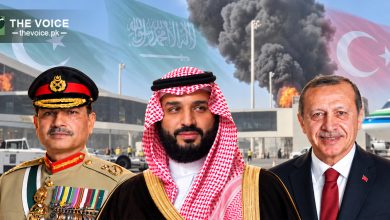
Just last week, as the dust settled from Israel’s bold strikes on Qatar, Pakistani Prime Minister Shehbaz Sharif shook hands with Saudi Crown Prince Mohammed bin Salman in Riyadh, sealing a mutual defense pact that sent ripples across the Middle East and South Asia. It was a moment that reminded me of a late-night discussion I had with a retired diplomat in Islamabad earlier this year, where he mused about how economic desperation could push nations into alliances that redefine regional power balances. This agreement, signed on September 17, 2025, is more than just ink on paper; it’s a strategic pivot that could reshape alliances amid growing doubts over U.S. security guarantees.
At its core, the pact declares that an attack on one nation is an attack on both, encompassing “all military means.” For Pakistan, a nuclear-armed state long focused on deterring India, this formalizes decades of ties with Saudi Arabia, including troop deployments and training programs. Saudi officials insist it’s an institutionalization of existing cooperation, not a knee-jerk reaction to recent events like the May 2025 Indo-Pak skirmish. Yet, the timing, post-Israel’s assault on Hamas leaders in Doha, suggests a broader hedge against instability.
Pros and Cons for Both Nations
For Pakistan, the pros are clear: bolstered deterrence and economic lifelines. Riyadh’s financial muscle could fast-track investments in energy and infrastructure, easing Islamabad’s chronic foreign exchange woes. In return, Pakistan offers military expertise and, implicitly, its nuclear arsenal as a shield, a “nuclear umbrella” that enhances Saudi defenses against threats from Iran or elsewhere.
But the cons loom large. Pakistan risks being drawn into Middle Eastern quagmires, stretching its already strained military. Nuclear proliferation fears could invite international sanctions, isolating Islamabad further. For Saudi Arabia, the upside is a reliable ally in a volatile region, which helps diversify its economy beyond U.S. dependence. Downsides include escalating tensions with Iran and complicating global non-proliferation efforts, potentially alienating Western partners.
Strains on Saudi-Israeli Ties
This pact tests Saudi Arabia’s delicate dance with Israel. Riyadh has inched toward normalization under the Abraham Accords framework, but aligning with nuclear Pakistan, seen by some as a signal to Israel after the Qatar strikes, introduces friction. Israeli officials view it warily, fearing it brings a new nuclear player into the region, even if symbolically. As one analyst put it, “It’s not a direct threat, but it muddies the waters for Saudi-Israeli rapprochement.” Long-term, it could stall economic corridors like IMEC, which rely on stable Gulf-South Asia ties.
Ripples in India-Pakistan Relations
For India, the agreement is unsettling, amplifying Pakistan’s strategic heft in the Islamic world and potentially emboldening it along the Line of Control. New Delhi, a major Saudi oil buyer, worries about indirect nuclear implications in South Asia, especially post the 2025 standoff. Yet, it’s unlikely to disrupt oil flows or trigger immediate escalation. India’s robust Saudi ties, including defense deals, provide a buffer. Still, it complicates India’s Gulf balancing act, forcing closer scrutiny of regional alliances.
Financial Lifeline for Pakistan
Economically, this could be a boon for cash-strapped Pakistan. Building on the $3 billion Saudi loan extended last December, the pact may unlock more inflows for energy projects and reserves. Analysts predict accelerated investments, potentially stabilizing the rupee and funding military upgrades. However, dependency on Saudi aid risks volatility; if Riyadh faces its own crises, Pakistan’s economy could suffer whiplash.
Substance for the Average Pakistani?
For the common citizen in Lahore or Karachi, tangible benefits hinge on economic trickle-down. Job creation from Saudi-backed projects could alleviate poverty, and remittances from Pakistani workers in the Kingdom might rise. But substantial gains? Skepticism abounds, past alliances haven’t always translated to grassroots prosperity, and war risks could exacerbate inflation and insecurity.
In the end, this pact is like Pakistan entering a high-stakes poker game with Saudi backing: potent for deterrence, perilous for escalation. Stakeholders should prioritize diplomacy, perhaps multilateral talks involving India and Iran, to harness opportunities while mitigating threats. Without that, it might just ignite the powder keg it’s meant to contain.