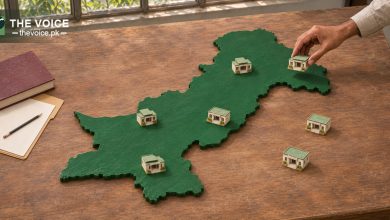
A new FAO assessment reveals a major mismatch between Pakistan’s food supply and its dietary guidelines, as high prices, climate pressures, and limited access to nutritious foods threaten public health.
A Food Supply That Does Not Match People’s Needs
Pakistan produces large quantities of staple foods, but that does not mean families can easily afford a balanced diet. A new policy brief by the Food and Agriculture Organisation (FAO) finds that the country has persistent shortages of vegetables, fruits, roots, tubers and pulses, while cereals and sugar exceed estimated dietary requirements.
More than 60 per cent of Pakistanis cannot afford a healthy diet, according to the assessment. The findings are based on an analysis of food supplies from 2010 to 2023, compared with the country’s dietary guidelines introduced in 2018.
The gap has grown over time. The estimated vegetable supply shortfall increased from 10.9–17.8 million tonnes in 2010 to 13–21.6 million tonnes in 2023. The fruit shortfall also widened significantly. Population growth is adding pressure, with Pakistan’s population projected to reach around 330 million by 2050.
High Prices and Climate Pressures Deepen the Problem
For many households, affordability is as important as availability. Pakistan Bureau of Statistics figures for September 2026 showed urban onion prices rising 29.17 per cent in a month, while wheat and wheat flour prices increased by 3.86 per cent and 2.28 per cent, respectively.
Climate pressures add another challenge. Poor monsoon rainfall and the risk of a below-average harvest have raised concerns about food access in parts of Sindh, Balochistan and Khyber Pakhtunkhwa. Floods, droughts and disrupted transport can damage crops, reduce household earnings and push market prices higher.
These pressures affect nutrition as well as household budgets. When healthier foods become costly or difficult to find, families may rely more heavily on cheaper staples. Pakistan then faces a double burden: undernutrition alongside rising diet-related diseases.
What Pakistan Needs to Change
The FAO recommends shifting agricultural investment towards vegetables, fruits, pulses and other nutritious foods. Better storage, distribution and transport could reduce food losses and improve availability in markets. The agency also calls for updated dietary guidelines, clearer nutrition labels and measures to reduce excessive sugar, salt and unhealthy fats in processed foods.
These changes require coordination between agriculture, health, trade and food authorities. Farmers also need practical support to grow diverse crops and adapt to changing weather conditions.
Pakistan’s challenge is not simply to produce more food. It is to make nutritious food available, affordable and accessible to ordinary families. Without changes to production, distribution and prices, healthy eating will remain beyond the reach of millions.
References
https://cb.apps.fao.org/country.jsp?code=PAK
https://www.pbs.gov.pk/monthly-inflation-report-for-sep-2026/
https://fews.net/asia/pakistan/food-security-outlook-update/august-2026
https://unsdg.un.org/latest/stories/sowing-seeds-better-nutrition-pakistan