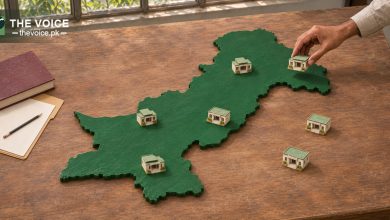
New parliamentary figures reveal the scale of Pakistan’s growing HIV challenge, with Sindh and Punjab accounting for more than 94 per cent of registered child cases as treatment and prevention gaps remain.
Children Bear a Growing Burden
Pakistan has registered 3,900 children as HIV-positive between January 2025 and June 2026, raising fresh concerns about the country’s ability to control the spread of the virus. Figures presented to the National Assembly show that Sindh recorded 1,915 cases, followed by Punjab with 1,765. Khyber Pakhtunkhwa reported 139, while the remaining provinces and territories recorded significantly smaller numbers.
The figures represent children registered during the period, not necessarily infections acquired within those 18 months.
The wider situation is equally concerning. The health ministry estimates that 417,214 people are living with HIV in Pakistan, but only 92,148 are registered with authorities. Of those registered, 67,878 are receiving antiretroviral treatment (ART).
Why HIV Is Spreading in Pakistan
WHO and UNAIDS estimates cited by the ministry show that annual new HIV infections increased from approximately 16,000 in 2010 to 48,000 in 2024. This represents a threefold increase.
Children can acquire HIV from infected mothers during pregnancy, childbirth or breastfeeding. Unsafe healthcare practices are another serious concern. Reused syringes, contaminated medical equipment and inadequately screened blood can expose children to infection. Previous investigations into outbreaks in Sindh have identified unsafe injections and intravenous infusions as major transmission risks.
The problem also reflects gaps in infection control, medical supervision and public awareness. Pakistan’s general population prevalence remains below 0.1 per cent, according to the ministry, but the epidemic is concentrated in particular population groups and vulnerable communities.
Treatment Gaps Put More Pressure on Healthcare
Pakistan has expanded its HIV testing, with the number of people screened increasing from 37,944 in 2020 to 374,126 in 2025. The country also has 113 antiretroviral treatment centres, including 15 recently added in Sindh.
However, testing alone cannot control the epidemic. Patients must receive timely diagnoses, affordable treatment and regular medical follow-ups. The government is also planning restrictions on conventional syringes of up to 10cc from January 1, 2027, as part of efforts to prevent reuse.
HIV is manageable with proper treatment, but missed diagnoses and interrupted medication can lead to serious health complications and further transmission. Pakistan needs stronger hospital inspections, safe blood supplies, disposable medical equipment and testing for pregnant women.
The latest figures show that protecting children requires more than expanding treatment centres. Preventing infections inside healthcare facilities and ensuring that diagnosed patients remain connected to treatment must become equally important priorities.
References
https://www.thenews.pk/print/1446040-3-900-children-added-to-hiv-registry-in-18-months
https://www.emro.who.int/pak/pakistan-news/hiv-infections-rise-in-pakistan-who-and-unaids-call-to-action.html