Climate change is the average long term shift in the weather patterns. It is due to natural causes like volcanic eruption etc and mostly through anthropogenic activities that releases the greenhouse gasses (GHGs) which are the main culprit behind global warming. Anthropogenic activities like burning of fossil fuels, deforestation, agriculture and livestock production etc, leads to the increase in temperature, high sea levels, extreme weather events, change in precipitation levels and disturb the whole ecosystem, if the issues of climate change left unchecked it will have devastating effects on human health and well-being, food resources, economic stability and development. Therefore, urgent action for climate change mitigation is needed.
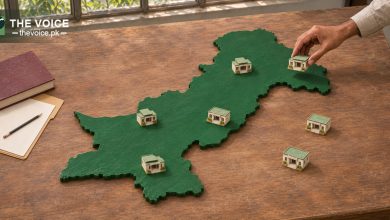
Pakistan; a country which has negligible contribution towards emission of GreenHouse Gases is one of the worst affected by Climate Change. Although contributing only 0.8% to global emissions, Pakistan is in the top ten vulnerable countries to the impacts of climate change that includes increased temperature, melting glaciers and climate insecurity. These changes are poised to unleash horrific impacts on its economy, food security and human welfare, in the form of heat waves that melt its cities, and floods that drown the crops. Being one of the most climate-sensitive countries of the world, the environment in Pakistan is under pressure and people in this country are experiencing new challenges related to climate change. Such is the grim reality that laid the basis for the sensible analysis of climate change issues in the country, the need for community response to the problem, the necessity to act collectively and create a future for generations to come sustainable.
Pakistan is currently experiencing the impacts of climate change, including : Daily disasters, including severe flooding and drought, which have claimed a number of lives, destroyed properties including schools and other building structures, homes, and even businesses. Increasing temperatures, which increase the sea levels and thus expose areas near the sea as potential regions prone to flooding. Loss of habitat heterogeneity or complete removal of habitats, thus causing declined populations or even wipeout of some species. The various forms of natural hardships, such as severe droughts, avert income-generating activities in the rural areas. This is true in the case of food insecurity for the reason that the weather changes more frequently and erratically, thus disrupting food production and food supply. Irrigation water limitations, whereby there is limited precipitation, change in the foreseeable climate results in high evaporation rates, thus limiting water for use. Social losses, whereby heat brings about diseases and other extreme weather brings about injuries or even death. Economic effects, which include crop, livestock, and fish production, all resulting in loss-making and poverty. These impacts are aggravated by the fact that Pakistan is one of the most climate change affect countries ranking 8th internationally. Climate change requires post-market investments for the restoration and enhancement of the nation’s economy and eradicating poverty.
The frightening and extensive long-term effects of climate change in Pakistan include:
The nation should brace itself for a rise in the number and intensity of extreme weather phenomena, including heat waves, floods, droughts, and storms. As temperatures rise and precipitation patterns alter, there will be a significant risk of water scarcity due to increasing evaporation. Due to the effects of climate change on crop yields, agricultural productivity, and food distribution, there will be a rise in food insecurity as well as hunger and malnutrition. Furthermore, the great biodiversity of Pakistan would be in jeopardy due to the extinction of plant and animal species brought on by changing habitats and rising temperatures. Sea level rise will result in flooding, coastal erosion, and saltwater intrusion into freshwater sources. It will also have a greater influence on public health, increasing the likelihood of illnesses spreading, heat stress, and mental health problems. Climate-related calamities and changes will cause massive economic losses in agriculture, industry, and infrastructure. The resulting devastation will be enormous. People's migration and displacement due to climate change will also become a big worry, especially for populations that are already vulnerable. In the end, climate change will have profound effects on social cohesion, cultural heritage, and traditional ways of life. It may also have ramifications for national security.
In Pakistan, the following vulnerable groups and areas are relatively most affected by climate change. Vulnerable Populations include; Poor and marginalized groups are more vulnerable to climate-related disasters because they lack access to resources, infrastructure, and social services. Women and children frequently experience the worst effects of climate change, such as food insecurity and water scarcity. Indigenous communities, due to climate change, are experiencing a loss of traditional livelihoods and cultural eroding. Agricultural communities are susceptible to variations in temperature and precipitation patterns because they rely on livelihoods that are dependent on the climate. Individuals with disabilities have obstacles while trying to obtain resources, information, and emergency services connected to climate change. Vulnerable regions include; Gilgit-Baltistan which is susceptible to glacial lake outburst floods, landslides and temperature rise. Sindh suffers regular floods, droughts and heat waves that affect crop yields and people’s wellbeing. Punjab is exposed to water stress, salinity problems in soils and erratic weather patterns, which adversely affects farming. Khyber Pakhtunkhwa susceptible to floods, landslides and temperature rise affecting agriculture and human habitation. Coastal areas are endangered by sea-level rise, salinization of freshwater sources, cyclones and possesses risks to inhabitation, constructions and food securities. These people and areas need to be protected and tailored interventions should be applied to increase their level of preparedness for climate change.
Pakistan has been severely impacted by climate change, necessitating adaptation and mitigation efforts for economic and social development. For the purpose of assisting with both adaptation and mitigation measures, cross-cutting methods such as improving climate governance, developing capacity, research and development, international collaboration, and climate finance are crucial. The Ministry of Climate Change has taken steps to align with the national climate policy, focusing on sectors like transport, agriculture, energy, and forestry. Initiatives include promoting renewable energy, efficient appliances, and eco-friendly technologies, with a estimated annual investment of $7-14 billion. The Green Pakistan Program has planted 100 million trees, and technological advancements in energy, forestry, and transport are being emphasized. Vulnerable sectors like water and agriculture require adaptation measures like rainwater harvesting, efficient irrigation systems, and climate forecasting. Local participation and consistent government planning are crucial for effective mitigation and adaptation strategies, with a need for comprehensive sectorial approaches to address climate change impacts and achieve sustainable development goals.
Climate change as a result of human actions has adverse effects on Pakistan in the form of higher temperatures, loss of glaciers, unseasonal rains, droughts, and uncontrolled changes in the environment. Low levels of poverty and inadequate resources inhibit the country’s adaptive capacity. The challenges posed by climate change in Pakistan need to be addressed on an urgent basis in a collective manner. Increasing temperature, erratic weather conditions and extreme weather events are causing havoc to the economical, social and environmental structure of the country. To minimizes all such effects, proper coordination among government, stakeholders particularly communities is important. Making an emphasis on sustainable development, environment friendly policies and active participation of the general public will help Pakistan reduce its climate vulnerability and enhance climate resiliency. Key actions include:
– Proactive government planning and policy execution
– Formulating a national sustainable development plan prioritizing eco-friendly processes
– Engaging local residents in mitigation and adaptation strategies
– Minimizing human interventions in natural sites
– Conducting in-depth sectorial analyses to understand climate change causes and impacts
"The future of our planet is in our hands, and the time to act on climate change is now. Let us rise to the challenge, and create a sustainable future for all."
― Ban Ki-moon
Written by Fareeha Amir Khan