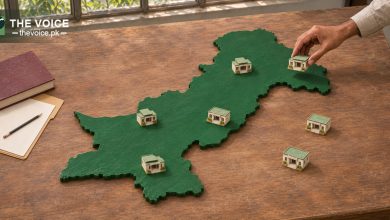
Floods are one of the most common and dangerous natural disasters. They can destroy homes, damage roads, cut off electricity, and most importantly, risk human lives. Pakistan is currently experiencing intense monsoon rains, leading to dangerous floods across several parts of the country. Dozens of lives have already been lost, and authorities have issued urgent warnings for more heavy rain and possible flash floods in the coming days.
While we cannot stop floods from happening, we can prepare for them. Knowing what to do before, during, and after a flood can save lives.
Swat Flash Flood: A Morning That Turned to Mourning
In one of the worst flood-related tragedies in recent memory, a devastating flash flood occurred on June 27, 2025, in the scenic Swat Valley in Khyber Pakhtunkhwa (KPK). At least 32 people lost their lives, including many women and children.
The heartbreaking incident has sparked national grief and anger. Several local officials were suspended, and the Khyber Pakhtunkhwa government has launched an inquiry into the delayed rescue response.
The Pakistan Meteorological Department (PMD) and National Disaster Management Authority (NDMA) have warned that heavy rains, flash floods, and glacial lake outbursts (GLOFs) are likely in:
- Northern Punjab
- Gilgit-Baltistan
- Azad Jammu & Kashmir
- Balochistan
- Sindh
Urban flooding and river overflow could develop quickly if rain intensity increases.
Why These Floods Are Getting Worse
Experts say the increasing severity of floods in Pakistan is due to climate change. Melting glaciers in the north and intense monsoon patterns are making rivers rise more quickly and unpredictably. Combined with poor drainage systems and a lack of preparedness, the danger is multiplying every year.
Before a Flood: Be Prepared
1. Know the Risk in Your Area
- If you live near a river, canal, or in a low-lying area, your home might be at risk.
- Check weather updates regularly through official sources like NDMA, PMD, or your local authorities.
2. Create an Emergency Kit
Prepare a bag with essentials:
- Drinking water
- Non-perishable food (biscuits, canned items)
- Flashlight and extra batteries
- First-aid kit and personal medicines
- Important documents in a waterproof bag (ID cards, property papers, etc.)
3. Plan Evacuation Routes
- Identify higher ground or safe shelter locations nearby.
- Make a family plan so everyone knows where to go if evacuation becomes necessary.
4. Secure Your Home
- Clear drains and gutters to prevent water buildup.
- Elevate electrical appliances, furniture, and valuables above ground level.
During a Flood: Act Quickly
1. Stay Informed
- Listen to the TV or mobile alerts for updates.
- Follow evacuation orders immediately, do not wait.
2. Avoid Floodwater
- Do not walk or drive through floodwater. Just 6 inches of moving water can knock you down, and 1 foot can sweep a car away.
- Stay away from bridges, canals, and drains.
3. Turn Off Utilities (If Safe)
- Switch off electricity and gas to avoid accidents, but only if it’s safe to do so.
4. Move to Higher Ground
- If trapped, go to the highest point in your home or building.
- Take your emergency kit with you and signal for help if needed.
After a Flood: Stay Cautious
1. Check for Hazards
- Watch out for loose wires, broken gas lines, and unsafe structures.
2. Clean Safely
- Wear gloves and boots when cleaning. Floodwater may be contaminated.
3. Stay Healthy
- Boil drinking water or use clean bottled water.
- Avoid using food that came in contact with floodwater.
Final Tips
- Share information with your neighbors, especially the elderly and those without access to alerts.
- Keep emergency numbers like Rescue 1122, local police, and disaster management offices saved in your phone.
- Do not spread rumors or panic; rely only on official sources.
Prevention Is Better Than Panic
Floods are dangerous, but with proper precautions and awareness, you can protect yourself and your family. Whether you live in a village, town, or city, taking these simple steps before disaster strikes can make all the difference.
Stay alert. Stay prepared. Your safety starts with you.